
ALTA Survey Considerations for Sites Near Rail Lines
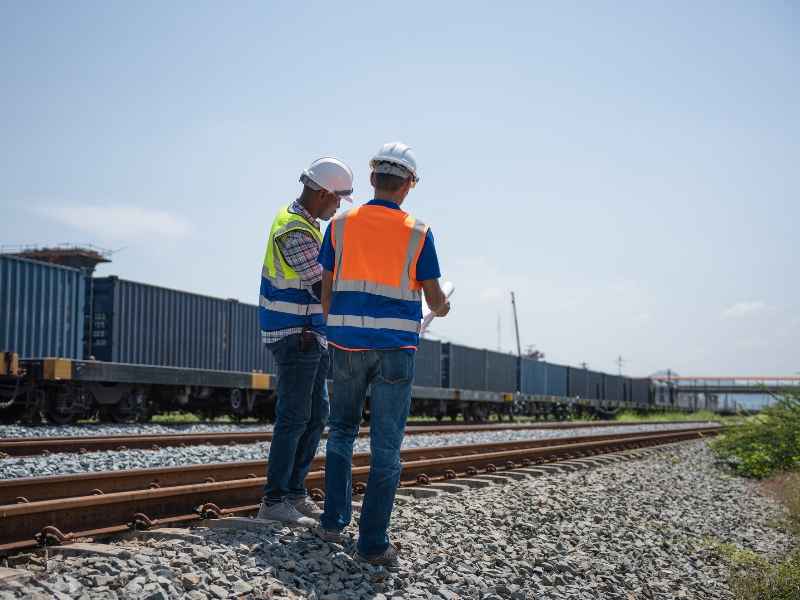
An ALTA survey on land beside the tracks has to sort through that history before a buyer or lender can rely on it. Rail corridors carry some of the oldest property records still in active use. Many were assembled more than a century ago through deeds, grants, and condemnation, and their descriptions don’t always line up with today’s parcel maps.
This guide is for commercial and industrial buyers, developers, and lenders looking at property near active or abandoned rail lines. The takeaway is to start title and record research early, plan for railroad access permits, and review every crossing and spur agreement before closing. Requirements vary by lender, title company, railroad, and project scope, so confirm what’s needed as soon as the contract is signed.
Establishing Property Boundaries Along Railroad Corridors
The shared line with a railroad is often the hardest boundary on the property to pin down. Railroad corridors were frequently described from the track centerline, and tracks get realigned, removed, or doubled over the decades. The surveyor has to work out where the original centerline ran, which may differ from where the rails sit today.
Records come from several places. Deeds, old railroad valuation maps, county plats, and prior surveys of neighboring parcels may all describe the same line differently. The surveyor weighs that evidence against monuments and occupation in the field, then shows the boundary along with any conflicts.
Corridor widths can change along the line. A strip that’s narrow behind one parcel may widen near a station, yard, or old siding. Don’t assume the width shown on a tax map is accurate.
Reviewing Railroad Rights-of-Way and Recorded Easements
Whether a railroad owns its corridor outright or holds an easement affects the adjoining land. The title commitment and recorded documents usually show which, though older records can be unclear. That question matters most on abandoned lines, where the land may pass to adjoining owners or stay with the railroad or a successor, based on how it was originally held.
Rail-related documents show up in title work more often than buyers expect. Each one can affect how the site gets used. Common examples include:
- Side track or industry track agreements for spurs serving the property
- Crossing agreements for private roads or driveways over the tracks
- Licenses or permits for pipes, cables, or drainage lines under the tracks
- Fiber optic or utility easements running along the corridor
The survey plots everything that can be mapped from the title commitment. Agreements without clear locations still need a close read by your attorney. Ask the title company for copies of every rail-related document listed as an exception.
Documenting Rail Crossings, Access Points, and Nearby Improvements
Physical access is where rail proximity gets practical. If the only route to the property crosses the tracks, the survey should show the crossing and whether a recorded right supports it. A driveway that crosses rails without an agreement is a serious problem for financing and future use.
Spurs need the same attention. The survey locates track on the property, switches, bumpers, loading platforms, and rail equipment near buildings. It also shows fences, signals, culverts under the tracks, and drainage ditches along the corridor.
Fieldwork near active tracks takes planning. Railroads commonly require a right-of-entry permit, insurance, and sometimes a flagger before survey crews work inside their corridor. Those approvals can take weeks, so build them into the schedule.
Identifying Encroachments and Title Concerns Near Rail Lines
Encroachments can run in both directions. Buildings, fences, parking lots, storage yards, and signs on older sites sometimes extend into railroad land. Railroad improvements like ditches, track, or signal equipment can also sit on the private parcel.
Each one becomes a title question. The title company may list it as an exception, the lender may ask for a fix, and the railroad may require a license or removal. The survey shows exactly where each encroachment sits so the parties can negotiate with real information.
Watch for spurs that serve the site but sit on railroad property, or that sit on the site without a current agreement. Inactive spurs may still be covered by old agreements with removal or maintenance obligations. Your attorney should review those terms before closing.
Coordinating ALTA Survey Requirements for Property Transactions
Survey scope starts with the lender and title company. Ask which Table A items they require, then add items your own plans need, such as utilities, offsite easements, building measurements, or zoning information. Sites near rail lines often benefit from showing offsite easements that serve the property, including crossings and access routes.
Make sure the title commitment is current and includes copies of recorded documents. The surveyor needs those to plot easements and agreements accurately. Missing documents are one of the main reasons rail-adjacent surveys run late.
Confirm who will rely on the survey. The certification usually names the buyer, lender, and title company, and adding parties later can mean revisions. If you plan to use the spur or add a crossing, involve the railroad early, since its review follows its own timeline.
Frequently Asked Questions
Why do sites near rail lines need extra ALTA survey work?
Railroad corridors often have old, inconsistent records and widths that change along the line. Crossings, spurs, and utility licenses add documents that need to be reviewed and mapped. Access to the corridor may require permits. All of that adds research and coordination time.
Does the railroad own the land behind my property outright?
Sometimes, and sometimes it holds an easement instead. The answer comes from the original acquisition documents and title records. It matters most if the line is ever abandoned. An attorney and title company can review the recorded history.
Can I use an existing spur track on the property?
Using a spur usually requires an agreement with the railroad that serves it. Old agreements may have expired or may need updating. The survey shows where the spur sits relative to the boundary and corridor. Contact the railroad early if rail service is part of your plans.
