
ALTA Surveys for Advanced Manufacturing Sites
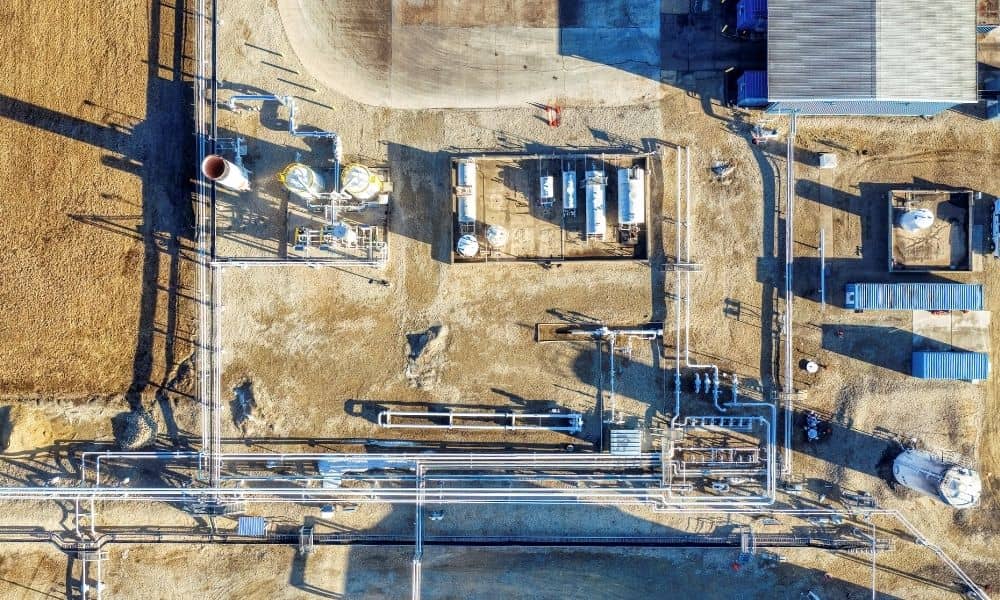
A company planning a new manufacturing facility has to look closely at the land, not just the equipment. An ALTA survey gives developers, lenders, and title companies a clear look at a property. It shows the boundary lines, easements, utilities, and any existing buildings. This needs to happen before a deal closes or before any site work begins.
This kind of check matters even more for manufacturing sites. These projects often bring heavy machines, special utility hookups, and buildings that get added over time. Indiana has seen this up close. A semiconductor packaging plant planned near Purdue University in West Lafayette is one of the biggest manufacturing projects the state has seen in years. A project this size needs good survey work from day one.
Why Advanced Manufacturing Sites Create Complex Survey Requirements
Manufacturing facilities often sit on large pieces of land. They also tend to mix several uses on one site. One property might have a production building, a separate power plant, water basins, rail access, and buffer zones required by local rules.
Each of these things can change what a survey needs to show. A plant that uses a lot of power or water often has utility easements running across the land. A basic survey does not always catch every one of these. An ALTA/NSPS Land Title Survey is made to show these easements along with the boundary lines. This way, buyers and lenders can see what rights other people or companies have on the land before the deal goes through.
Manufacturing sites also draw more attention from lenders and investors. That is because so much money goes into them up front. A survey that clearly shows any encroachments, access points, and easements gives everyone in the deal the same facts to work from.
Mapping Site Constraints Around Specialized Manufacturing Facilities
Special manufacturing buildings often come with limits that a basic survey would not catch. Equipment pads, clean rooms, and large machine yards can need certain ground conditions and open space around them. These limits affect where a building can actually sit on the land.
A surveyor working on one of these sites usually maps the existing utilities, the drainage paths, and any easements that could limit new construction. This matters a lot when a plant needs room to grow later or add a second phase. Knowing where an easement or setback line sits now can stop a costly redesign down the road.
Rail spurs and roads built for heavy loads are common on these sites too. Both usually come with their own easement or right-of-way records. An ALTA survey puts all of this on one drawing. That makes it easier for engineers and architects to see the full picture before they start their designs.
Coordinating an ALTA Survey With Large-Scale Facility Planning
On a project the size of a semiconductor plant or a large factory, the survey rarely happens alone. It usually needs to line up with civil engineering work, environmental review, and utility planning happening at the same time.
Getting the ALTA survey done early gives the design team a solid map to build from. Without it, they would have to guess at boundaries that could change later. This matters because manufacturing plants often go through several design changes as equipment plans get set. A survey done too late can force engineers to redo work they already finished.
Lenders paying for a project this size will usually ask for a fresh ALTA survey before closing. It proves the property matches what the title papers say. Lining up the survey with the rest of the project schedule can help avoid delays at closing or during permits.
Reviewing Land Conditions Before Manufacturing Equipment and Buildings Are Planned
Before a building design gets locked in, it helps to know what the land can hold. Soil type, ground level, and drainage all affect where heavy equipment and utility lines can go.
An ALTA survey does not replace a soil test, but it gives engineers the boundary and ground level points they need to do their job right. Checking the survey against a site’s utility records can also turn up old lines that were never recorded the right way. This happens a lot on land that has changed hands or changed use more than once.
Checking these things early gives a project team more room to move equipment or change a building’s size before contracts get signed. That is much easier than finding a problem after the ground has already been broken.
Using Survey Information Throughout Advanced Manufacturing Development
An ALTA survey is not just a paper used at closing. Once the project moves into construction, the same survey data often helps with staking, utility work, and as-built records as the building goes up.
For plants that plan to grow later, keeping the first survey on file makes it easier to plan new buildings or equipment areas without starting over. This helps facilities that plan to add more production lines once the first phase is running.
Developers and lenders working on these projects should ask a licensed surveyor about survey needs early. What an ALTA survey covers can change based on the property, the lender, and the title company.
