
ALTA Surveys for Commercial Condominium Units
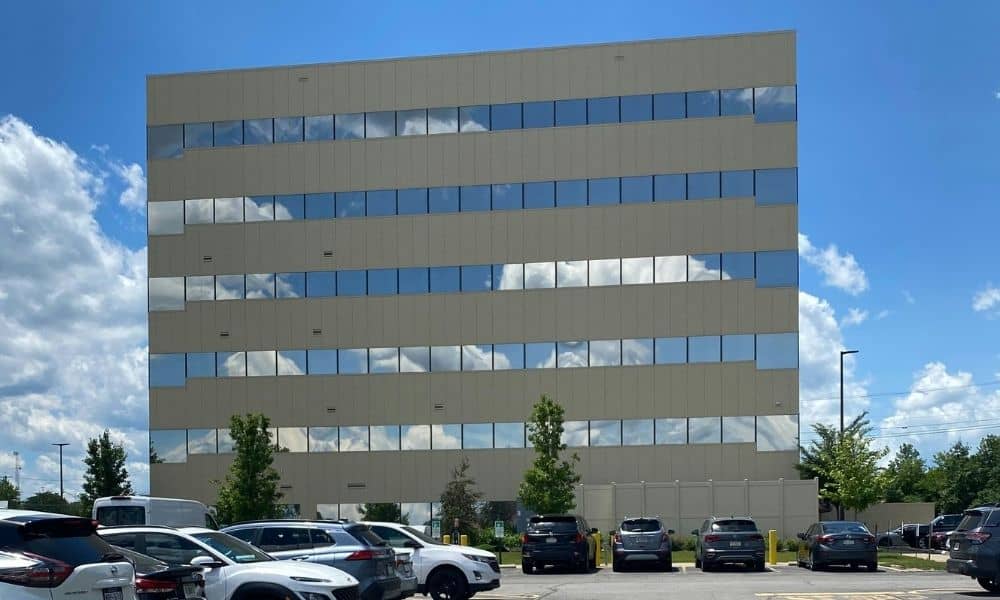
Buying a commercial condominium unit is not the same as buying a whole building or an open lot. You own a defined space inside a larger property, and you also share parts that other owners use. That changes what an alta survey needs to show and how the survey should be set up.
Why a Commercial Condominium Unit Is Different From a Conventional Parcel
When someone surveys a normal tract of land, the job is fairly clear. The surveyor maps the outer boundary lines, the improvements on the land and anything that affects those lines. A commercial condominium unit works another way. Your ownership is not a piece of ground with fence-to-fence corners. Recorded condominium records describe where the unit sits, not field-measured property lines alone.
That’s a big shift. The recorded condominium plan and the declaration define where your unit begins and ends. They also spell out what you share with other owners. So the real question is less about outer boundaries and more about what you actually own. An alta survey for this kind of interest has to answer that first.
Start With the Condominium Declaration, Not Just the Property Address
The street address tells you where the building sits. It doesn’t tell you what you own inside it. For a commercial condo, the recorded declaration and the condominium plan carry that answer. These records name the unit, mark its limits and list the parts that belong to everyone.
Before any survey work starts, the team should pull those records and read them closely. The recorded plan gives the unit number or letter. Common elements cover shared areas like lobbies, stairwells and shared drives. Limited common elements are shared parts set aside for certain units, such as an assigned parking space or a private entry. Each of these can change what the survey should cover.
When an ALTA Survey Request Needs a Customized Scope
A request for a full alta survey usually pictures an entire parcel with clear outer lines. A commercial condo doesn’t fit that picture. Copying the same wide scope used for a whole property can add cost and time for records you may not need. It can also miss the parts that really matter for your unit.
So the scope should be set on purpose, not by habit. The buyer, the lender, the title company and the surveyor should talk early. Each one may need something different. The lender wants to protect its loan. The title company wants the survey to match the recorded records and the title work. You want a clear view of what your unit includes. When these needs are named up front, the surveyor can shape an ALTA/NSPS Land Title Survey around them instead of guessing.
Shared Buildings and Common Areas Can Complicate the Survey Question
Commercial condos often share a lot. One building may hold several units, a shared lobby, shared parking, loading zones and hallways that connect everything. Working out which of these ties to your unit is where the survey question gets tricky.
Take parking as an example. Some spaces are common elements open to all owners. Others are limited common elements assigned to one unit. A survey that treats them the same could give the wrong picture. The same goes for entrances, corridors and loading areas. The goal is to match the physical features on the ground to the ownership interest in the recorded records. If a feature relates to your unit or the deal, it belongs in the survey. If it doesn’t, adding it may just pad the job.
What Commercial Condominium Buyers Should Clarify Before Ordering a Survey
Denver has a busy commercial and mixed-use market, and condo-style ownership shows up often in office, retail and multi-use buildings. That makes the setup step even more worth your time. A short list of questions can keep a deal on track before anyone orders survey work.
Before you order an alta survey for a commercial condo, get clear on these points:
- The exact unit you’re buying, using the number or letter from the recorded plan
- The recorded declaration and condominium plan, read in full before the order goes out
- The common elements and limited common elements tied to the unit, such as parking or storage
- What the lender and title company each need the survey to show
- The exact interest being surveyed, the full building or just the unit
Once you and the transaction team agree on these, the surveyor can quote and plan work that fits the real interest. That saves back-and-forth later. It also keeps the survey focused on what your purchase actually involves.
Frequently Asked Questions
Can you get an ALTA survey for a commercial condominium unit?
Often yes, but the scope may differ from a standard survey of a full lot. Start by naming the property interest you’re evaluating. Then confirm what the lender, the title company and the client each need to see before the work begins.
What property interest should be identified before ordering a survey for a commercial condo?
The team should pin down the specific unit and read the recorded records that define ownership. That includes any share in common or limited common elements. Knowing this first keeps the survey aimed at the right interest.
Does surveying a commercial condominium unit mean surveying the entire building?
Not always. The right scope depends on what you own and what the deal requires. A survey request shouldn’t assume the whole building or development has to be mapped.
