
Backyard Greenhouse Placement With a Land Surveyor Review
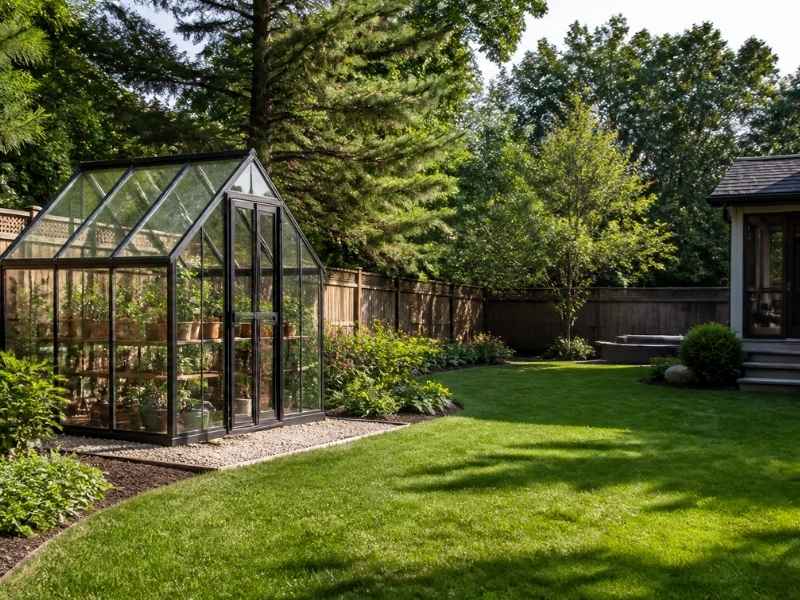
Most people pick a greenhouse spot by watching the sun. That makes sense for the plants. But sunlight won’t tell you where your property line is, where water collects after a storm, or what’s buried under the lawn.
A land surveyor review fills in those gaps before you pour footings or anchor a frame. It shows where a greenhouse can legally and safely sit on your lot. A few hours of planning now can save you from moving a finished structure later.
How a Land Surveyor Identifies Suitable Greenhouse Locations
A land surveyor finds good greenhouse spots by mapping your lot and everything that limits where you can build. The survey shows property lines, the house, sheds, trees, fences, and other features. With that map, you can see which open areas are actually usable.
Sun matters, so trees and buildings belong on the map too. A survey that locates large trees and nearby structures helps you judge which areas get shade at different times of day. You can then match the best light with the space that’s legal to build on.
Ask the surveyor to show these items on your drawing:
- Property lines and corner markers
- The house, garage, sheds, and decks
- Large trees and tall structures nearby
- Fences, walls, and driveways
- Setback lines, if your local office provides them
Once you have the map, sketch the greenhouse footprint to scale. Leave room for doors to swing and for paths around the sides. A spot that looks big enough in the yard can feel tight once you add space for working.
Checking Property Setbacks Before Installing Greenhouse Foundations
A setback is the minimum distance a structure must stay from a property line. Many towns treat greenhouses as accessory buildings, much like sheds or garages. That means setback rules may apply even to a small kit greenhouse.
The rules can change based on size, height, and foundation type. A small portable unit may be treated one way, while a greenhouse on a concrete slab may be treated another. Permit needs also vary by town and county, so check with your local office before you buy.
A land surveyor can mark your true lines on the ground so setbacks are measured from the right place. That matters most when a greenhouse will sit near a side or rear line. Measuring from a guess is how many backyard projects end up in the wrong spot.
Could Drainage Slopes Affect Greenhouse Stability?
Yes, drainage slopes can affect greenhouse stability. Water that flows toward or pools under a greenhouse can soften the soil below its base. Over time, that can cause settling, shifting frames, or doors that stop closing right.
A topographic survey shows how your yard rises and falls. It maps high spots, low spots, and the paths water takes during heavy rain. With that data, you can avoid placing a greenhouse in a natural drainage path.
Slope also affects how level the floor will be. Many greenhouse kits need a flat, even base to fit together properly. Knowing the grades ahead of time helps you or your builder plan how much leveling, fill, or gravel the site needs.
Mapping Underground Utilities Near Proposed Growing Areas
Buried utilities are easy to forget in a backyard. Water lines, gas lines, power cables, and sewer laterals may run right through the spot you like best. Digging for footings or posts can damage them and put you at risk.
Before any digging, contact your local one-call service, which is 811 in the United States. They arrange for public utility lines to be marked. Private lines, like irrigation pipes, a power line to a shed, or an invisible dog fence, may not be marked by that service.
A land surveyor can map visible signs of utilities, such as meters, valves, cleanouts, and utility marks left by locators. Putting those features on the same map as your property lines makes conflicts easy to spot. If a line runs under your best spot, you can shift the greenhouse before anything goes in the ground.
Why a Land Surveyor Checks Fence Line Accuracy
Fences are often not on the true property line. Some were placed a few feet inside the line on purpose. Others were built from a rough guess decades ago and never checked.
If you measure your greenhouse setback from a fence that’s in the wrong place, the greenhouse may end up too close to the line. In some cases, it could even end up on a neighbor’s land. That can lead to permit trouble, neighbor disputes, or the cost of moving the structure.
A land surveyor compares your fence with the true property line and shows any difference on the map. If the fence is off, you’ll know before you build. You can then plan the greenhouse from the real line and talk with your neighbor about the fence if needed.
Frequently Asked Questions
Do I need a land surveyor to put up a greenhouse?
It isn’t always required, but it often helps. A survey shows where your lines and setbacks fall so the greenhouse lands in a legal spot. Some towns ask for a site plan or survey with the permit application. Check local rules before you buy or build.
Do greenhouses need a building permit?
That depends on your town, the greenhouse size, and the foundation type. Small portable units may not need a permit in some places. Larger or permanent greenhouses often do. Call your local building office to confirm before you start.
Can I use my old house survey to plan a greenhouse?
It may help as a starting point. An older survey may not show new fences, sheds, trees, or grading changes. It also won’t show ground heights unless it included topography. Ask a surveyor if your existing survey can be updated for this project.
How close can a greenhouse be to my property line?
That depends on local zoning rules for accessory buildings. Some areas set different distances for side and rear lines. Size and height can also change the required setback. Your zoning office can give you the numbers for your lot.
How long does a land surveyor review take for a backyard project?
Time varies with lot size, records, and how busy local crews are. A simple residential lot often moves faster than a large or wooded one. Adding topography or line staking can add a little time. Book early if your greenhouse delivery or installer date is set.
