
Planning ALTA Survey Field Access at Occupied Industrial Properties
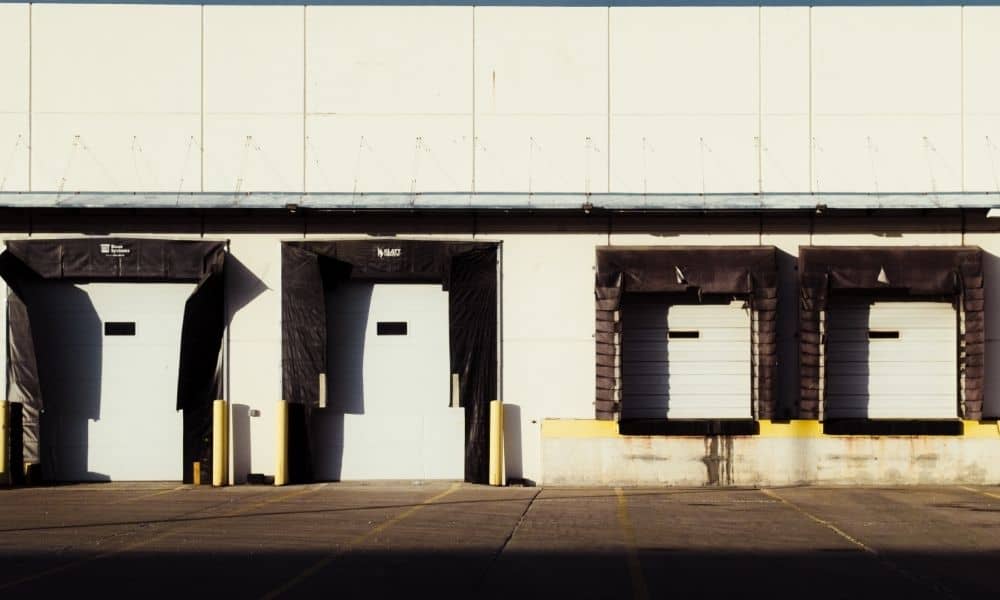
An ALTA survey on an empty lot is easy to schedule. A crew shows up and walks the site. An occupied industrial property is not that simple. Workers are on shift. Trucks move through loading docks. Some gates only open for certain people. Contractors may already be working on part of the building. Field access has to be planned around all of this.
Boise has seen steady growth in industrial and warehouse space. Many of these deals involve buying, refinancing, or expanding a property that is already in use. When an ALTA survey happens on a working site, getting the crew into every part of the property matters just as much as the measurements they take. If nobody plans for access ahead of time, the fieldwork can run long, miss areas, or get in the way of the tenant’s daily work.
Why Occupied Sites Require Field Access Planning
An ALTA/NSPS Land Title Survey has to record the physical condition of a property. This includes buildings, encroachments, easements, and other things tied to the title. To do this well, the crew usually needs to walk the whole site. They can’t just look at the parts near the parking lot.
On a working industrial property, several things can get in the way. Locked gates, employee-only areas, busy loading docks, and equipment yards all limit where a crew can go without help. If a surveyor arrives without notice and can’t get past a gate or into a fenced yard, that part of the site may need a second visit. That adds time and can push back a closing date or a loan deadline.
Planning access ahead of time gives the surveyor a clear idea of what to expect. It also gives the property manager and tenants time to prepare. That way, the crew doesn’t show up in the middle of a shift change or a delivery.
Areas Survey Crews May Need to Reach
Industrial sites often have more locked or restricted areas than an office or a store. A few spots come up often during ALTA fieldwork.
Loading docks and truck courts stay busy most of the day. A crew working near moving trucks needs to know the site’s traffic patterns before they arrive.
Fenced or gated storage yards often hold equipment or extra inventory. Getting inside usually takes a key, a code, or someone to let the crew in.
Roof and mechanical areas may need a visit if the survey covers rooftop equipment or utility lines. This often means asking building staff for roof access.
Tenant spaces inside the building may need a check too. This depends on what the survey needs to confirm, and it means working around the tenant’s hours.
Areas under construction may have a contractor crew already at work. The survey crew and the construction crew need a plan so they don’t get in each other’s way.
Not every ALTA survey needs access to all of these spots. It depends on the property and what the lender or title company asks for in the survey scope. A licensed surveyor can look at the property details and confirm which areas need to be checked.
Coordinating Around Loading, Security, and Daily Operations
Most industrial sites don’t shut down for a survey. The goal is to get the fieldwork done while the property keeps running as usual. That takes some planning before the crew arrives.
A few steps tend to help. Share the crew’s expected arrival time with the property manager and any on-site security so they know to expect visitors. Point out which gates or doors need a key, a badge, or an escort before the crew gets there. If the site has set delivery times or shift changes, let the surveyor know so they can plan around the busiest hours instead of working through them.
It also helps to mention any safety rules early. Some industrial sites require hard hats, safety vests, or steel-toed boots in certain areas. A surveyor who knows this ahead of time can show up ready instead of losing time getting the right gear.
None of this has to be complicated. A short phone call or a written access plan before the fieldwork date usually covers what’s needed.
When Property Managers Should Join the Planning
Property managers often know the site’s daily routine better than anyone. They know which tenants are on site, when deliveries happen, and where the locked areas are. Bringing them into the planning early, right when the ALTA survey gets ordered, usually makes the fieldwork go smoother.
A property manager can also point out who else needs to be involved. That might mean a tenant whose space is part of the survey, a contractor working on part of the building, or a security company that controls the gates. Lining up these contacts before the survey date means the crew won’t be stuck waiting on approvals once they’re already on site.
This step matters even more on a building with several tenants. Different tenants may follow different access rules, and the property manager is often the one person who can pull it all together.
Preparing an Industrial Site Before ALTA Fieldwork Begins
A few steps before the survey date can head off most access problems. Confirm which gates and doors will be unlocked or staffed during the visit. This alone can prevent the most common delays. Give the surveyor a site contact who can grant access on short notice in case something unplanned comes up. Share any known hazards or restricted zones, such as spots with heavy equipment or active construction, so the crew knows what to expect.
It also helps to confirm early whether the survey needs access to leased tenant space. If it does, tenants should know when to expect the crew so it doesn’t catch them off guard. If the property has had recent additions or renovations, having any site plans or as-built drawings ready can speed up the fieldwork too.
Getting this sorted out before fieldwork starts is much easier than trying to fix access problems in the middle of a survey.
