
When an ALTA Survey Matters Before a Ground Lease
A ground lease lets a tenant build on land it doesn’t own. These deals often run for decades, and the tenant may put millions into a building that sits on someone else’s land. If the leased area is drawn wrong, or access depends on rights nobody recorded, that investment rests on a weak base.
An ALTA survey before signing helps both sides see what’s actually being leased. It maps the premises, the access routes, the utilities, and anything already on the ground. With that picture in hand, the landlord, tenant, lender, and title company can fix problems while the lease is still a draft.
ALTA Survey Review of the Proposed Ground Lease Premises
The premises are the exact piece of land the tenant will control. In many deals, the first sketch of that area comes from a site plan or a broker’s exhibit. Those drawings help start talks, but they aren’t precise enough to lease from.
The surveyor locates the property lines, then measures and describes the leased area. That description can become the legal description attached to the lease. It ties the premises to real corners and measured lines instead of rough shapes on a map.
Ask the surveyor to show the lease area’s square footage or acreage. Rent, taxes, and shared costs are sometimes based on that number. A small error repeated over a long lease can add up to a lot of money.
Lease Boundaries Within Larger Commercial Parcels
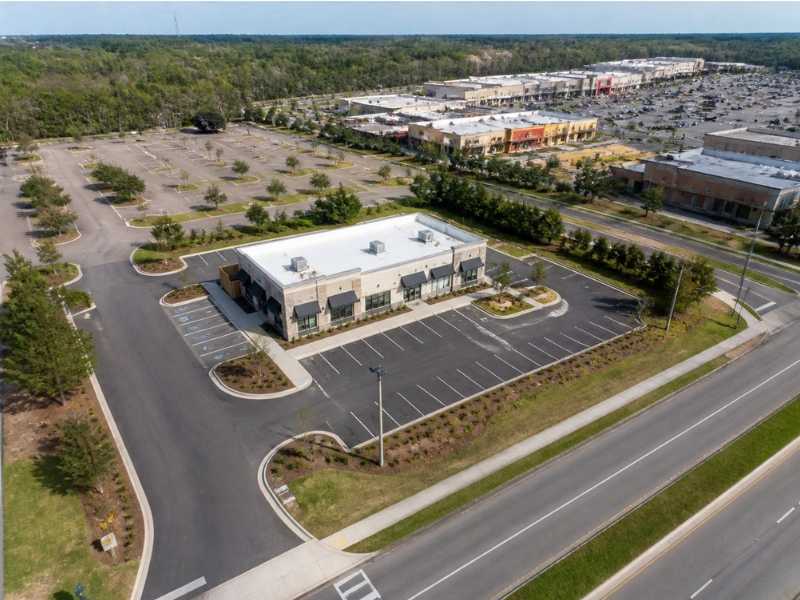
Many ground leases cover only part of a bigger parcel. Think of an outparcel at a shopping center or a pad site near a highway. The lease line then becomes a new boundary drawn inside an existing lot.
That line has to fit around what’s already there. Parking, drive aisles, signs, and utility lines may cross it. The survey shows where each feature sits, so the parties can decide which side it belongs to.
Leasing part of a parcel can raise local issues too. In some places, a long-term lease of part of a lot may need review under land division or zoning rules. Check with the local planning office early, since requirements vary by jurisdiction.
Watch setbacks and parking counts as well. Drawing a lease line can change how each part of the site meets zoning. A planner or engineer can use the survey to test that before the lease is final.
Access and Utility Rights Beyond the Leased Land
A leased pad is only useful if customers, trucks, and utilities can reach it. Often that means crossing land the tenant doesn’t lease, like shared drives or the landlord’s parking lot. Those rights have to be written down, not just assumed.
The survey locates recorded easements and maps how access works on the ground today. It shows curb cuts, drive aisles, and connections to public roads. It also shows utility lines, meters, and poles that serve the premises from outside the lease area.
Compare the map with the lease and any shared-use agreements. Look for gaps, such as a sewer line that crosses another parcel without an easement. Fixing a gap now is usually easier than fixing it after the building opens.
Existing Improvements That May Complicate Future Site Development
Ground lease sites are rarely blank. Old foundations, buried tanks, light poles, walls, or abandoned utilities may still be there. Some are easy to see, and some only show up in records or field evidence.
The survey records visible improvements and features tied to the premises. With certain optional items, it can also map underground utilities based on markings and records. That helps the tenant’s design team plan around what’s already in place.
Environmental questions may come up too. A survey doesn’t test soil or water, but it can show features like tank vents, fill ports, or monitoring wells. Those clues can prompt the tenant to order environmental studies before signing.
Talk about who handles removal before the lease is final. Leases often say who pays to clear old improvements and who owns the building at the end of the term. Clear terms prevent arguments years down the road.
ALTA Survey Details for Lender and Leasehold Title Review
Most tenants finance their buildings. A leasehold lender is a lender whose loan is secured by the tenant’s interest in the lease, not by ownership of the land. That lender will want proof that the premises, access, and title are in order.
Title companies often use the survey to address survey-related exceptions in a leasehold title policy. The map lets them check that easements, encroachments, and access match the title commitment. Lenders may also ask for specific optional items, such as flood zone, zoning, or utility details.
Ask early who must be named in the surveyor’s certification. That list often includes the tenant, the lender, the title company, and sometimes the landlord. Requirements vary by lender and deal, so confirm them before fieldwork starts.
Frequently Asked Questions
Who orders the survey for a ground lease?
It depends on the deal. Often the tenant orders it because its lender and title company need it. Sometimes the landlord provides one, or the parties split the cost. The lease or letter of intent should say who is responsible.
Can an existing survey of the whole parcel be used?
It may help as a starting point. It likely won’t describe the lease area or meet the lender’s current needs, though. Older surveys may also miss recent changes on the site. Your surveyor can tell you whether an update will work.
What’s the difference between the premises and the parcel?
The parcel is the full piece of land the landlord owns. The premises are the part the tenant leases. Sometimes they’re the same, but often the premises are smaller. The survey shows both so there’s no confusion.
Does a ground lease need a legal description?
Most ground leases include one, and lenders usually expect it. A precise description ties the premises to fixed points on the ground. Sketches alone can lead to disputes later. Your attorney can advise on what the lease should include.
When should the survey be ordered?
Order it while the lease is still being negotiated. That leaves time to adjust the premises, fix access gaps, and resolve title issues. Waiting until closing can delay financing. Confirm the scope with your lender and title company first.
